
Products
Three models. One AI engine. Infinite possibilities for global communication.
Three models. One AI engine. Infinite possibilities for global communication.
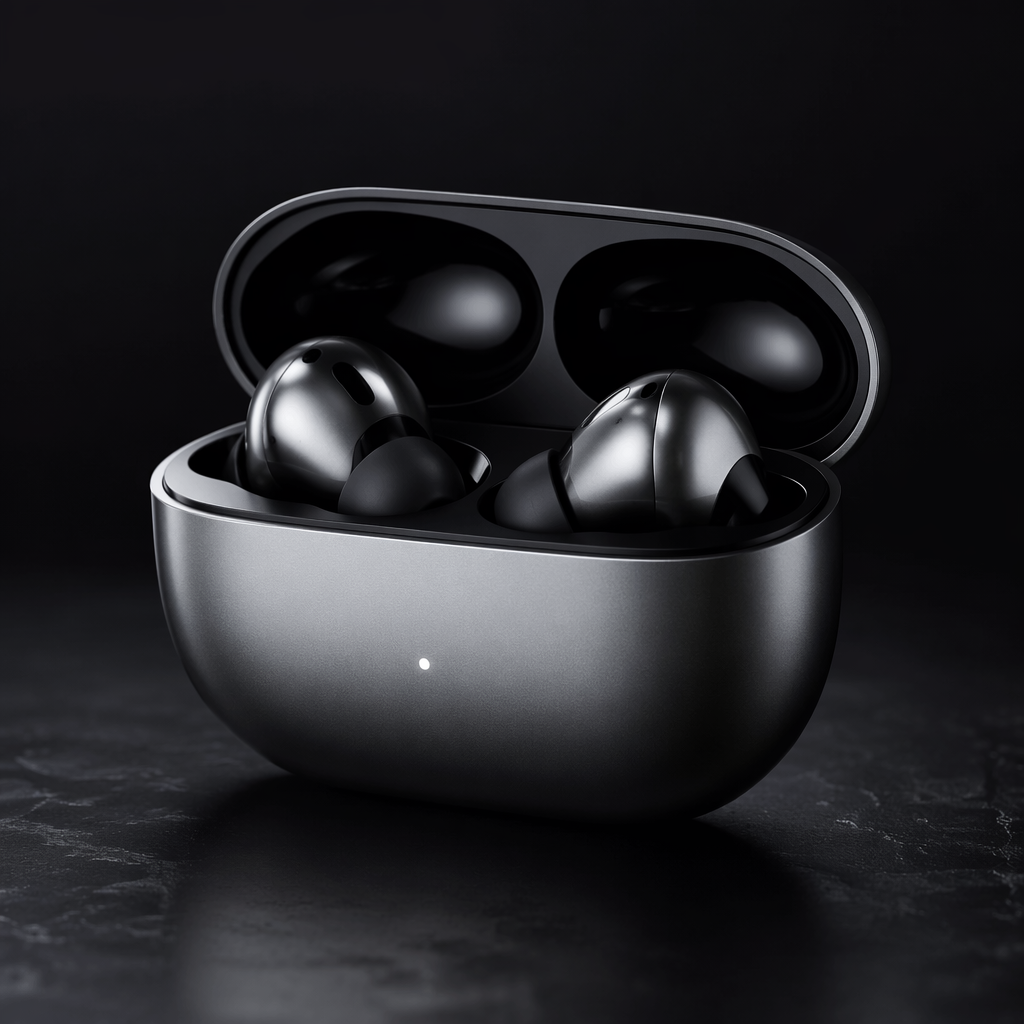
Core translation in a compact package. 144 languages, dual-mic ENC, 6hr battery. Ideal for travel retail and hospitality fleets.
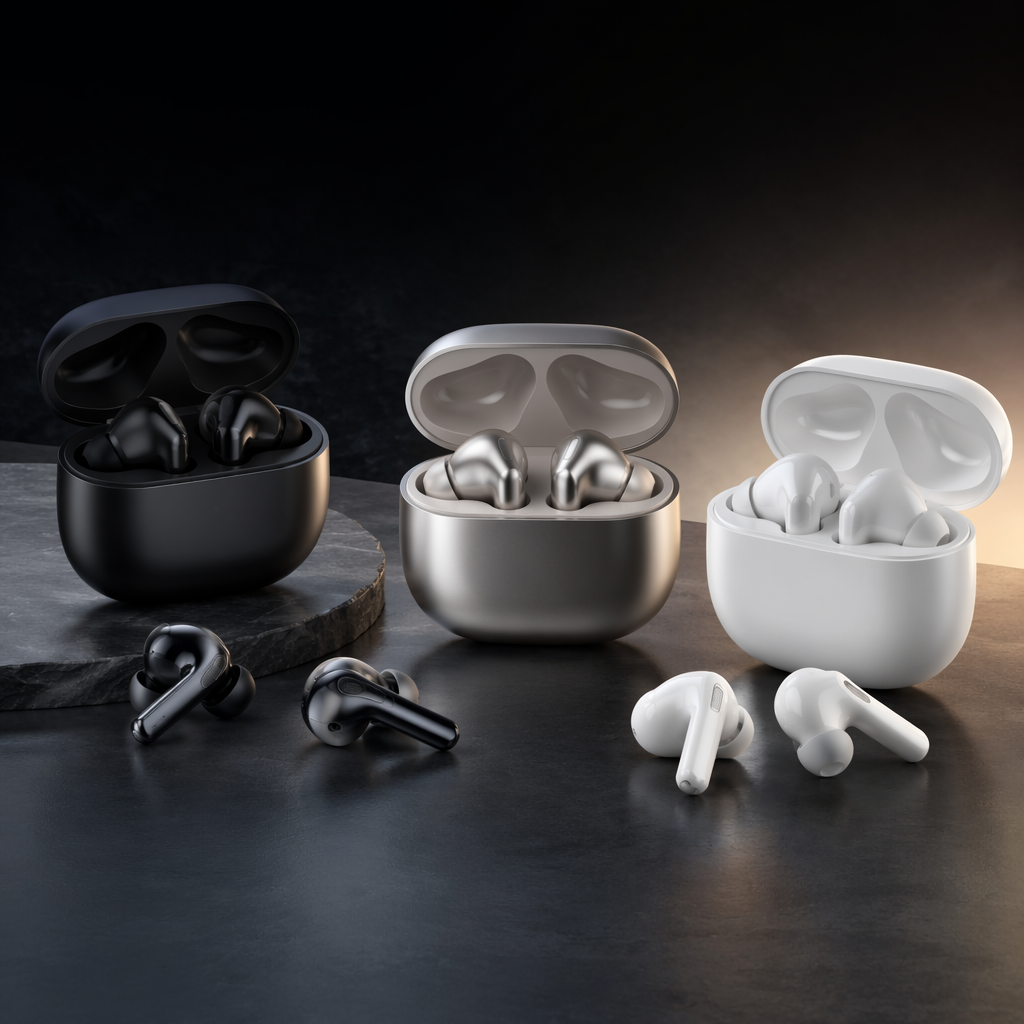
8hr battery, group meeting mode (20 participants), lecture mode, offline 16 languages. The enterprise workhorse.
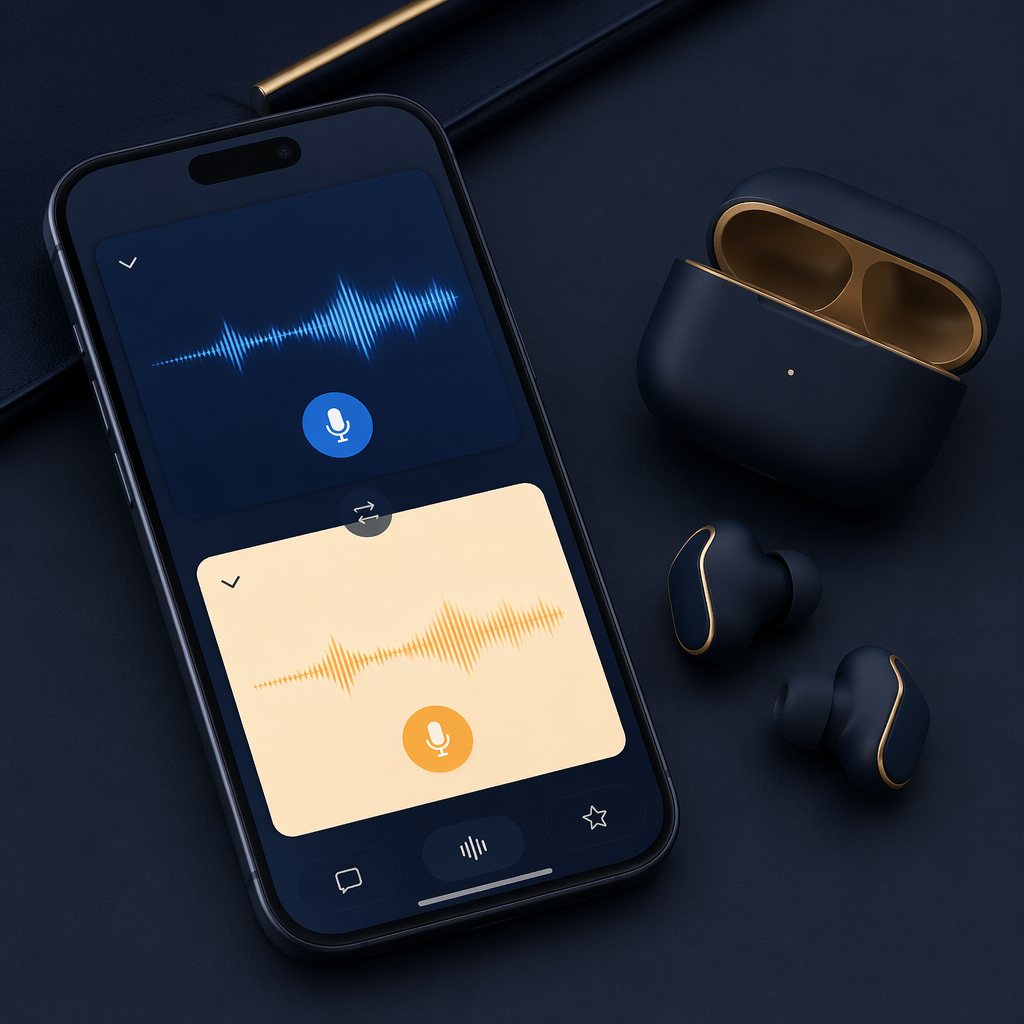
Customizable hardware, fleet management platform, advanced SDK, priority firmware updates. Built for large-scale deployment.
| Languages | 144+ languages, 60+ dialects, 16 offline |
| Translation Latency | <0.5 seconds (continuous speech recognition) |
| AI Accuracy | 98%+ (5-engine fusion: Google, DeepL, Baidu, iFlytek, proprietary) |
| Translation Modes | 1-on-1 Dialogue, Group Meeting (20p), Lecture, Phone Call, Text |
| Noise Cancellation | Dual-mic ENC + AI voice extraction (30dB noise reduction) |
| Bluetooth | 5.3, dual-channel, 15m range, multipoint connection |
| Battery (Earbuds) | 8hr continuous translation, 12hr music-only |
| Battery (Case) | 40hr total, USB-C + wireless charging, 15min fast charge = 3hr |
| Audio Driver | 13mm dynamic, AAC/SBC codec, Hi-Fi mode for music |
| Water Resistance | IPX5 earbuds, IPX4 case |
| Weight | 4.8g per earbud, 58g charging case |
| Chipset | ATS3085S + dedicated AI accelerator |
| App Support | iOS 14+ / Android 10+, white-label app available |
| Warranty | 2 years (B2B), extended options available |
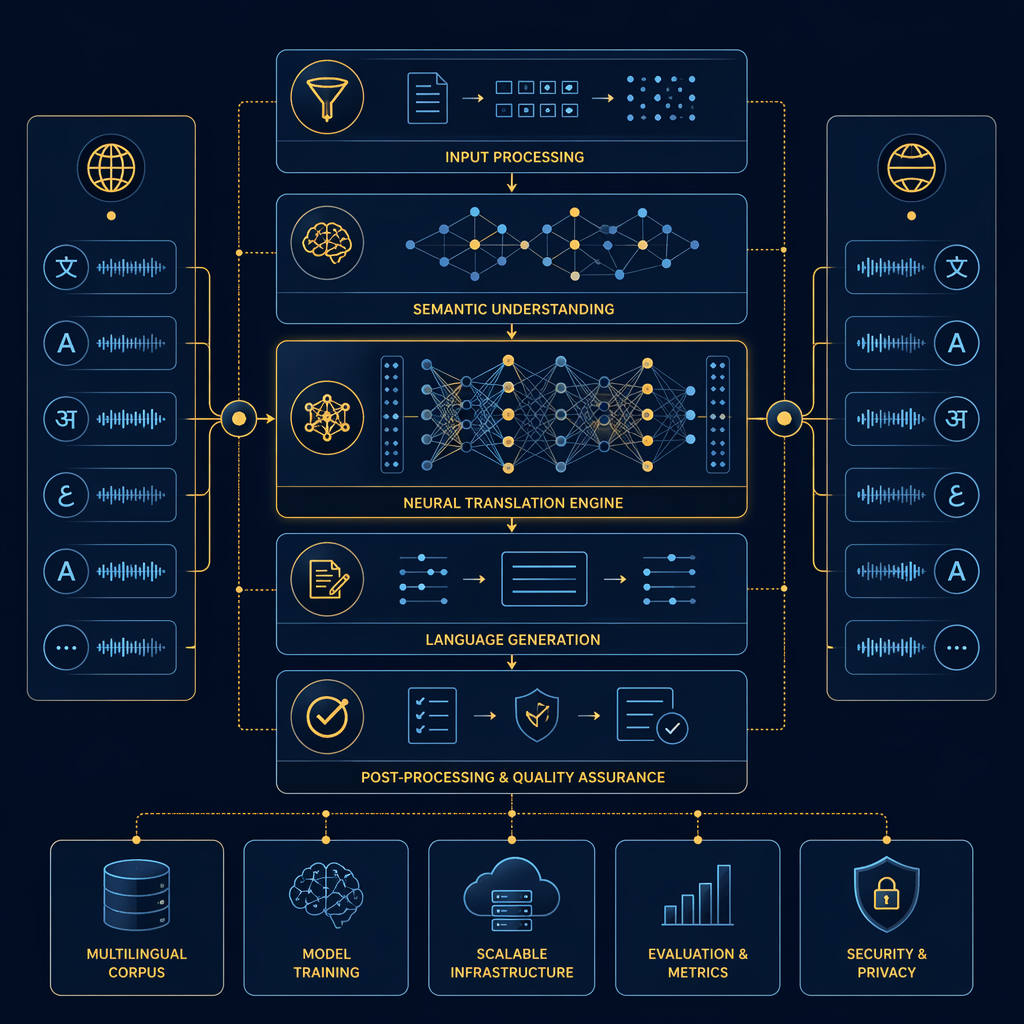
Unlike competitors that rely on a single translation engine, VoxBridge simultaneously queries Google, DeepL, Baidu, iFlytek, and our proprietary model — then intelligently selects the optimal result based on language pair, context, and domain vocabulary. The result: 30% higher accuracy in real-world conditions.
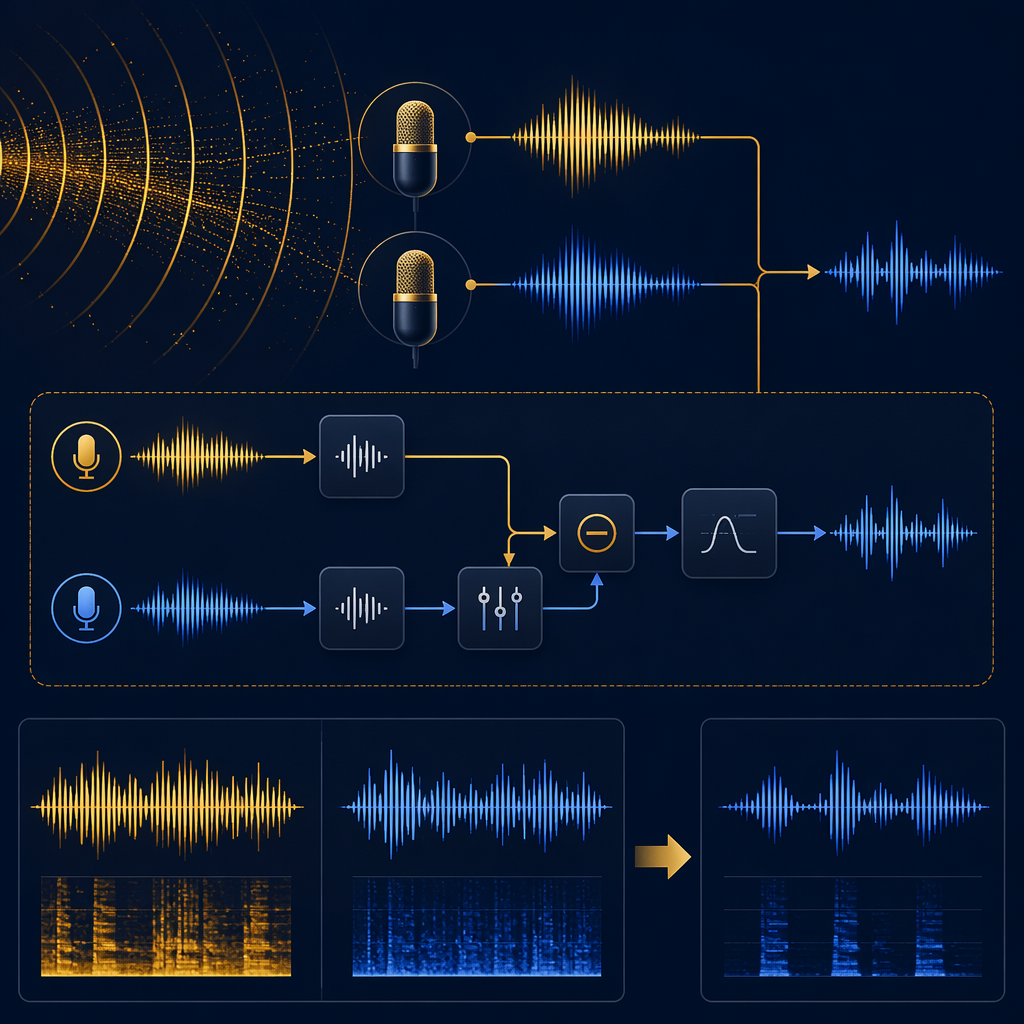
Dual-microphone environmental noise cancellation combined with AI-powered voice extraction isolates speech from background noise — even in airports, factories, and crowded conference halls. 30dB of noise reduction ensures your translated voice is always crystal clear.
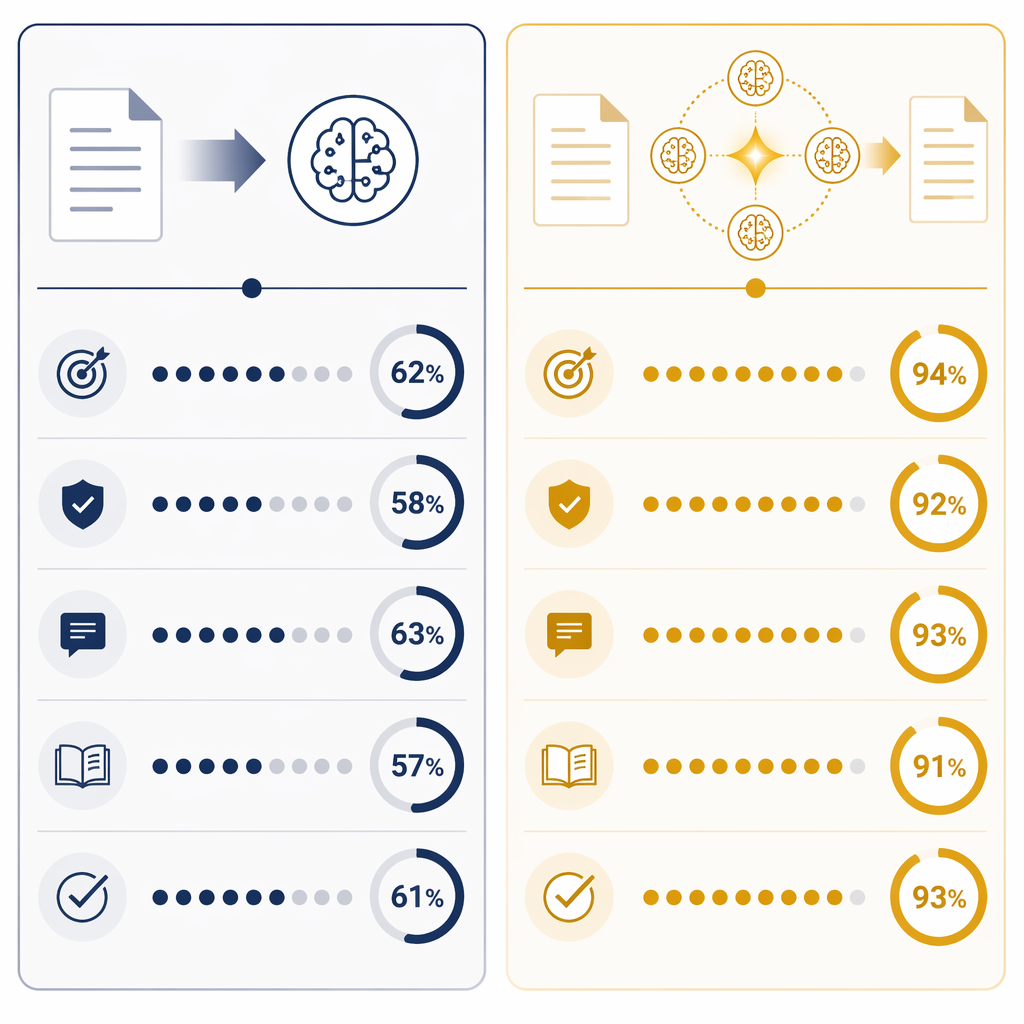
In blind A/B testing across 12 language pairs, VoxBridge's multi-engine fusion outperformed single-engine competitors by an average of 30%. For Asian↔European language pairs, the advantage widens to 45%.